



Everything You Need to Know About vinyl sided sheds
Everything You Need to Know About Vinyl Sided Sheds
For homeowners in Coeur d’Alene and throughout North Idaho, enhancing property value and functionality is always a priority. Whether you’re looking to declutter your garage, create a dedicated workspace, or simply add valuable storage, a well-chosen shed can be an excellent investment. When considering adding such a structure, understanding the various options available is key, and among the most popular choices today are durable vinyl sided sheds. These versatile units offer a compelling blend of aesthetics, low maintenance, and robust performance, making them a smart addition to almost any property.
Why Vinyl Sided Sheds? Understanding Their Appeal
The appeal of vinyl sided sheds stems from a combination of practical benefits that resonate deeply with property owners, especially in regions like North Idaho where weather can be a significant factor. Unlike traditional wood sheds that demand regular painting, staining, and treatment to withstand the elements, vinyl sheds are designed for minimal upkeep. This translates directly into more free time for you to enjoy the beautiful surroundings of Coeur d’Alene, rather than spending weekends on shed maintenance.
Furthermore, vinyl siding offers exceptional durability against the varied North Idaho climate. From heavy winter snows and spring rains to hot summer sun, vinyl is engineered to resist fading, cracking, and warping. This resilience ensures your shed maintains its attractive appearance year after year, contributing positively to your home’s curb appeal. For anyone looking for a long-lasting, hassle-free storage solution that complements their home, vinyl sided sheds present a highly attractive option.
Key Benefits of Choosing Vinyl Siding for Your Shed
When you opt for a vinyl sided shed, you’re investing in a structure that brings a host of advantages. Perhaps the most significant is its unparalleled weather resistance. Vinyl is inherently waterproof and UV-stabilized, meaning it stands up remarkably well to moisture, preventing rot, mold, and mildew that can plague other materials. This protective barrier is crucial for safeguarding your stored items, from gardening tools to seasonal decor, against the unpredictable nature of our local weather patterns.
Beyond weather protection, vinyl sheds are also a formidable defense against pests. Unlike wood, which can be an inviting target for termites, carpenter ants, and other wood-boring insects, vinyl offers no nutritional value to these unwelcome guests. This helps to maintain the structural integrity of your shed and protects its contents. Moreover, the ease of cleaning is a major bonus; a simple spray with a garden hose is usually all it takes to remove dirt, dust, or pollen, keeping your shed looking fresh and new with minimal effort.
Lastly, the aesthetic versatility of vinyl siding allows for a seamless integration with your existing home. Available in a wide array of colors and styles, you can choose a shed that perfectly matches your house’s exterior, enhancing the overall harmony and visual appeal of your property. This thoughtful design consideration can significantly boost your property’s curb appeal, a valuable asset whether you plan to stay for years or consider selling in the future.
Considering Placement and Foundation for Your Vinyl Shed
Once you’ve decided on a vinyl sided shed, the next critical steps involve careful planning of its placement and the preparation of a proper foundation. The longevity and stability of your shed depend heavily on these initial considerations. In North Idaho, where ground conditions can vary, ensuring a level and stable base is paramount. Options typically include a gravel pad, a concrete slab, or sturdy treated wood skids. Each has its advantages, but the goal remains the same: to provide a solid, well-drained surface that prevents the shed from shifting or settling unevenly over time.
Selecting the right site for your shed involves more than just finding an open spot. Consider factors like drainage – you want to avoid areas where water tends to pool. Accessibility is also important; think about how you’ll get items in and out, and if you’ll need vehicle access. Sun exposure can influence the shed’s interior temperature, which might be a factor if you plan to store sensitive items or use it as a workspace. Furthermore, it’s crucial to be aware of any local regulations, zoning laws, or Homeowners Association (HOA) guidelines in Coeur d’Alene or your specific North Idaho community that might dictate shed size, placement, or even color. A little research upfront can save a lot of headaches later.
Sizing and Customization: Making Your Shed Work for You
The beauty of modern vinyl sided sheds lies not just in their durability but also in their adaptability to your specific needs. Before choosing a shed, take a moment to assess what you truly need to store. Are you looking for a compact space for gardening tools and a lawnmower, or do you envision a larger area for ATVs, kayaks, or even a dedicated hobby workshop? Common sizes range from small 6×8 foot utility sheds to expansive 12×24 foot or larger structures, each offering different capacities and functionalities. Carefully measuring your intended items and considering future needs will help you determine the optimal footprint.
Beyond size, customization options can transform a basic shed into a highly functional extension of your home. Think about adding windows for natural light, which is particularly beneficial if you plan to spend time inside. Different door styles, such as double doors or roll-up doors, can facilitate easy access for larger equipment. Interior shelving, workbenches, and pegboards can maximize vertical storage and organization. Even small details like vents for improved air circulation or a ramp for easy access with wheeled items can make a significant difference in how effectively your shed serves its purpose. Tailoring these features ensures your vinyl sided shed truly works for you.
Installation Process: DIY vs. Professional
Once you’ve selected the perfect vinyl sided shed, the next step is getting it installed. You generally have two main avenues: embarking on a do-it-yourself (DIY) assembly or opting for professional installation. Many vinyl sheds come in kit form with detailed instructions, making DIY an appealing choice for those with a knack for construction and a desire to save on labor costs. It can be a rewarding project, offering a sense of accomplishment once completed. However, it’s important to be realistic about the time commitment, the need for specific tools, and the physical effort involved. Missteps during assembly can lead to structural issues or void warranties, so precision is key.
On the other hand, professional installation offers significant benefits, especially if your time is limited or you prefer to leave complex tasks to experts. Professional installers have the experience and specialized tools to assemble your shed quickly, correctly, and efficiently. They ensure the structure is level, secure, and built to manufacturer specifications, often backed by their own workmanship guarantees. For homeowners in Coeur d’Alene and North Idaho, choosing a local installer can also mean they’re familiar with regional building codes and weather considerations, ensuring your shed is optimally prepared for the local environment. While it involves an additional cost, the peace of mind and time saved can be invaluable.
Maintenance and Longevity: Keeping Your Vinyl Shed Pristine
One of the most compelling advantages of vinyl sided sheds is their remarkably low maintenance requirements, ensuring they remain a valuable asset to your North Idaho property for many years to come. Unlike wood, which demands regular painting, staining, and sealing to protect against rot and pests, vinyl simply needs occasional cleaning to maintain its pristine appearance. A simple wash-down with a garden hose, perhaps with a mild detergent for stubborn spots, is usually all it takes to remove dirt, dust, and pollen, keeping your shed looking as good as new.
Beyond routine cleaning, a few simple checks can further extend the lifespan of your vinyl shed. Periodically inspect the siding for any potential damage, though vinyl is highly durable, accidental impacts can occur. Ensure that doors and windows are operating smoothly and sealing properly to prevent moisture intrusion. Keeping the area around the base of the shed clear of debris and vegetation will also aid in proper drainage and prevent moisture from wicking up the siding. By following these minimal maintenance practices, your vinyl sided shed will continue to provide reliable, attractive storage and enhance your property’s functionality for decades, standing strong against the diverse elements of the Coeur d’Alene landscape.
Conclusion
In the vibrant real estate landscape of Coeur d’Alene and North Idaho, every addition to your property should be a thoughtful investment. Vinyl sided sheds stand out as an exceptionally smart choice, offering a powerful combination of durability, low maintenance, and aesthetic appeal. They provide robust protection against our local weather conditions, resist pests, and are incredibly easy to keep clean, freeing up your valuable time. From careful planning of placement and foundation to choosing the right size and customization options, a vinyl shed can be tailored to perfectly meet your storage and functional needs.
Whether you opt for a DIY assembly or professional installation, the end result is a valuable, long-lasting structure that enhances your property’s utility and curb appeal. By understanding the benefits and considerations of vinyl sided sheds, you’re well-equipped to make an informed decision that will serve you well for years to come, truly adding to the charm and efficiency of your North Idaho home.
What Homebuyers Need to Know About Roof Health Before Making an Offer
Introduction: The Overlooked Guardian of Your Future Home
When you’re falling in love with a potential new home, it’s easy to be captivated by the granite countertops or the perfect backyard. But floating above it all is one of the most important—and expensive—components of the house: the roof. A healthy roof protects everything underneath it, while a failing one can lead to a cascade of costly problems that no new homeowner wants to face. Getting a professional opinion on potential roof repair Toronto can save you from future headaches and unexpected bills.
Think of the roof as the home’s first line of defense against the elements. Its condition can tell you a lot about how well the property has been maintained and what expenses you might be facing down the road. This guide will walk you through the key aspects of roof health, empowering you to look at a property with a more critical eye and make an offer with confidence. Let’s get you prepared to look up! 🏡
The Age of the Roof: A Ticking Clock? 🕰️
One of the first questions you should ask about a property is, “How old is the roof?” Every roofing material has an expected lifespan. For instance, standard asphalt shingles typically last 20-25 years, while more durable materials like metal or slate can protect a home for 50 years or even longer. Knowing the installation date gives you an immediate baseline for its remaining life.
An older roof isn’t an automatic deal-breaker, but it is a major financial consideration. If a 25-year-old asphalt shingle roof is nearing the end of its life, you should anticipate the cost of a full replacement in your budget. This knowledge is crucial because a new roof is a serious expense, and it’s better to plan for it than be surprised by it a year after moving in.
Spotting Trouble from the Ground: A Visual Check-Up
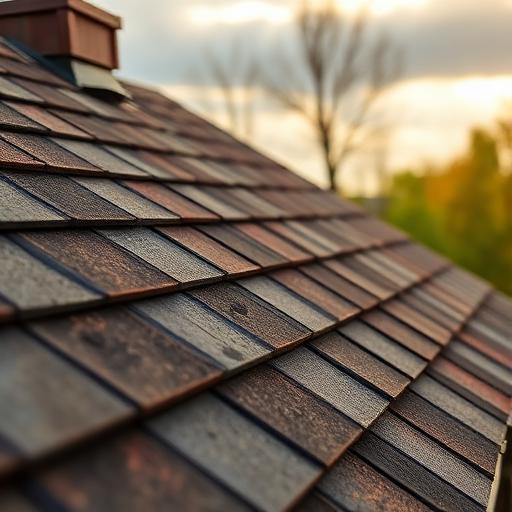
You don’t need to be a roofer to spot some obvious warning signs from the safety of the ground. Take a walk around the property and look up. Are the shingles curling at the edges, cracked, or are entire pieces missing? Pay attention to areas around chimneys, vents, and skylights, as these are common spots for issues to develop.
Another thing to look for are dark streaks or patches of moss and algae. While sometimes a cosmetic issue, these can indicate trapped moisture, which can degrade the shingles over time. Also, check if the roofline appears straight or if it sags in the middle. Any visible sagging is a major red flag that could point to structural problems. This quick visual scan helps you identify potential issues to bring up with an inspector.
Understanding Roofing Materials: Not All Shingles Are Created Equal
The type of material used on a roof directly impacts its durability, maintenance needs, and replacement cost. Asphalt shingles are the most common in North America due to their affordability, but they have a shorter lifespan. Metal roofs, on the other hand, are incredibly resilient and energy-efficient but come with a higher upfront cost.
When viewing a home, identify the roofing material. Is it clay tile, slate, wood shake, or something else? Each has its own set of potential problems and repair methods. Knowing the material helps you understand what future maintenance might look like and allows you to ask more pointed questions about its history and upkeep. It also gives you a better idea of what a future replacement could cost.
Leaks, Water Damage, and the Attic Clues 🕵️
The best place to find evidence of a roof problem isn’t always on the outside; sometimes, the attic tells the real story. If you can, safely pop your head into the attic space and look around. Your nose might be the first to detect a problem—a musty or damp smell is a clear sign of moisture issues.
With a flashlight, scan the underside of the roof decking. Do you see any dark water stains, active drips, or signs of rot? Check the insulation for damp or compressed spots. You should also look for any pinpricks of daylight coming through the roof, as this means there’s a hole that water can easily get through. What seems like a tiny issue in the attic can be a symptom of a much larger failure on the roof’s surface.
The Power of a Professional Roof Inspection
While your own visual check is helpful, it can never replace a professional assessment. A general home inspector will give the roof a look, but they may not climb onto it or have the specialized eye of a dedicated roofing contractor. Hiring a professional roofer to conduct a separate inspection is a wise investment that can save you thousands.
A roofing expert will provide a detailed report on the roof’s current condition, its life expectancy, and any necessary repairs or potential replacements. This document is invaluable. It gives you a clear, unbiased picture of the situation and removes any guesswork. With this expert report in hand, you have concrete information to base your next steps on.
Using Roof Condition in Your Offer and Negotiations
So, the inspection reveals the roof needs work. What now? This information is a powerful tool in your negotiation process. You can use the inspector’s report and repair estimates to ask the seller for concessions. This could mean requesting they fix the roof before closing, or you could negotiate a lower sale price to cover the future cost yourself.
A problematic roof doesn’t mean you have to walk away from your dream home. It just means you need to be practical. By understanding the true condition of the roof, you can adjust your offer to reflect the home’s actual value, including the necessary improvements. This protects you from overpaying and ensures you’re stepping into your new home with your eyes wide open and a solid plan in place. ✨

A Homeowner’s Guide to Working with Cash Home Buyers
What Exactly Are Cash Home Buyers?
When you need to sell your property quickly, the traditional real estate market can feel like a slow-moving train. This is where cash home buyers come in, offering a direct and speedy route to closing. These are typically real estate investors or investment companies that have the funds available to purchase your home outright, without needing to secure a mortgage from a bank. This key difference is what makes the entire transaction much faster and simpler than a conventional sale.
Unlike a typical buyer who is looking for their “forever home,” a cash buyer often sees the property as an investment. They might be looking to fix it up and resell it (a “fix and flip”), rent it out, or add it to their portfolio of properties. Because their motivation is business-oriented, they are focused on the numbers and the potential of the property, not on emotional attachments or minor cosmetic flaws. This means they are often willing to purchase homes in as-is condition, which is a huge relief for many sellers.
The Key Benefits of Selling for Cash
The most celebrated advantage of a cash sale is speed. A traditional home sale can take months to close, bogged down by buyer financing contingencies, appraisals, and extensive inspections. A cash sale, on the other hand, can often be completed in as little as one to two weeks. If you’re facing a life event that requires a quick move, like a job relocation or a financial bind, this accelerated timeline is incredibly valuable. You get your money fast and can move on without months of uncertainty.
Another major perk is selling your home “as-is.” Forget about spending weekends painting, repairing leaky faucets, or updating that 1980s kitchen. Cash buyers expect properties to have some wear and tear and factor repair costs into their offer. This saves you not only money on renovations but also the stress and time involved in managing contractors. Plus, you generally avoid agent commissions and closing costs, which can save you thousands of dollars at the end of the day.
Finding Reputable Cash Buyers in Your Area
The first step to finding a great cash buyer is to look for companies with a solid, professional online presence. Check for a well-designed website with clear information about their process, testimonials from past sellers, and easily accessible contact information. Legitimate buyers are transparent and want you to feel comfortable. A quick search for their company name plus “reviews” can also give you a good sense of their reputation in the community.
Don’t be afraid to reach out to a few different companies to get a feel for how they operate. A trustworthy buyer will be happy to answer your questions without pressuring you to sign a contract on the spot. Ask about their experience, how they determine their offer price, and what the timeline looks like. Talking to multiple investors allows you to compare offers and, more importantly, choose a company you feel good about working with.
The Step-by-Step Selling Process Explained
The journey to a cash sale usually begins with a simple action: you contact the company. This is often done through a form on their website or a direct phone call. You’ll provide some basic details about your property, such as its address, size, and current condition. This initial contact is low-pressure and is simply to get the ball rolling and see if your property is a potential fit.
Next, the buyer will schedule a brief visit to your home. This isn’t like a traditional showing with dozens of people walking through; it’s a quick, professional assessment. The buyer will look at the property’s structure and overall condition to estimate necessary repair costs. Shortly after this walkthrough, you will receive a no-obligation cash offer. If you accept, you’ll sign a straightforward purchase agreement, and the company will open escrow. You pick a closing date that works for you, sign the final papers, and receive your cash. It’s truly that simple.
Red Flags to Watch Out For
While most cash buyers are legitimate professionals, it’s wise to be aware of potential warning signs. One of the biggest red flags is any sort of high-pressure sales tactic. A reputable buyer will give you a fair offer and allow you time to consider it. If someone is pushing you to sign a contract immediately or making you feel flustered, it’s best to walk away. Your home is a massive asset, and you should feel completely comfortable with the transaction.
Another thing to be cautious of is a buyer who cannot provide proof of funds. A genuine cash buyer has the capital ready and should be able to prove it. Also, be wary of anyone who asks for money upfront. You should never have to pay a fee for an offer or a consultation. A professional company makes its money from the property investment itself, not from charging sellers application or processing fees.
Understanding the Cash Offer: Is It Fair?
It’s important to set the right expectations when you receive a cash offer. It will almost always be below the full market value you might get from a traditional listing. This is not because the buyer is trying to lowball you, but because their offer is a reflection of convenience and risk. They are taking on the cost of all repairs, closing costs, and holding costs while they get the property ready for its next phase. Their offer is a calculation based on the After Repair Value (ARV) of your home, minus all those expenses.
So, is the offer fair? That depends on your personal situation and goals. The “fairness” of a cash offer is measured by the value it provides. If you need to sell quickly, avoid the hassle of repairs, and have certainty in your sale, then a cash offer can be an excellent deal. You are trading some of the potential top-end equity for speed, convenience, and a guaranteed close, which for many homeowners is a trade well worth making.
Preparing Your Home for a Cash Buyer Visit
One of the best parts of selling to a cash buyer is that you don’t need to do much to prepare. There’s no need for expensive staging or major renovations. The buyer is an expert at seeing a home’s potential through any clutter or dated decor. They are focused on the “bones” of the house—the foundation, roof, layout, and major systems.
That being said, a little tidying up can’t hurt. Clearing pathways and decluttering rooms makes it easier for the buyer to assess the property quickly and accurately. It also shows that the home has been cared for, which can leave a positive impression. Just focus on a basic clean-up; there is absolutely no need to spend money or significant effort getting your home “show-ready” in the traditional sense. Just relax and let the buyer see the property for what it is.
Enhancing North Idaho Charm: The Top Rustic Chandelier Styles for Homes
Capturing the Spirit of the Panhandle: Why Rustic Lighting Matters
There’s something truly special about North Idaho living. From the deep blue waters of Lake Coeur d’Alene to the towering pines surrounding Sandpoint, the local aesthetic is a beautiful blend of rugged nature and cozy comfort. Bringing that feeling indoors is what makes a house a home, and lighting is a foundational piece of that design puzzle. The right collection of rustic chandelier styles for homes can act as the centerpiece of a room, setting a warm and inviting tone that reflects the Panhandle’s unique charm.
Think of your lighting as more than just a functional item; it’s a statement piece that communicates your style. A well-chosen rustic chandelier can mimic the starlight over Priest Lake or the warm glow of a fireplace in a ski cabin. It bridges the gap between your interior space and the wild beauty just outside your window, creating a cohesive and deeply comforting atmosphere for family and friends to gather. It’s all about creating that perfect mountain retreat vibe.
The Classic Antler Chandelier: A Nod to Wilderness
When you picture a quintessential mountain lodge or a grand cabin, the antler chandelier often comes to mind. This iconic style is a direct tribute to the wildlife and untamed spirit of the Gem State. Crafted from naturally shed or replicated antlers, these fixtures are both dramatic and organic, making a powerful statement in great rooms with vaulted ceilings or spacious entryways. They are a bold choice that speaks to a love for the outdoors and traditional lodge decor.
Don’t be intimidated by their grand appearance! Antler chandeliers come in a variety of sizes, from modest designs suitable for a den to sprawling creations that can command a two-story foyer. Faux antler options offer a lighter, more affordable, and animal-friendly alternative without sacrificing the aesthetic. Paired with warm wood tones and stone fireplaces, an antler chandelier becomes the undeniable heart of a North Idaho home.
Wagon Wheel Wonders: A Touch of the Old West
For a dose of historical charm and frontier spirit, look no further than the wagon wheel chandelier. This design harks back to the days of pioneers and homesteaders, bringing a sense of history and simplicity into your home. Typically made from dark metal or distressed wood, these circular fixtures provide beautiful, ambient light, often featuring candelabra-style bulbs that mimic the look of real candles. It’s a perfect fit for homes with a farmhouse or ranch-style influence.
The wagon wheel style is incredibly versatile. A large, iron-forged wheel makes a fantastic focal point above a long, wooden dining table, inviting big family dinners and lively conversation. Smaller versions can add character to a kitchen nook or a cozy seating area. This style pairs exceptionally well with other rustic elements like exposed beams, leather furniture, and woven textiles, creating a space that feels both grounded and genuinely welcoming.
Industrial Farmhouse Fusion: Metal, Wood, and Light
What happens when you mix rugged country living with sleek, urban design? You get the industrial farmhouse look, a style that feels right at home in the growing communities of North Idaho. Chandeliers in this category often feature a mix of materials like dark bronze or black metal, reclaimed wood, and clear glass shades. They celebrate simple, clean lines while retaining a warm, rustic heart, often showcasing Edison-style bulbs for a vintage touch.
This fusion style is perfect for modern new-builds that want to honor the area’s rustic roots without going full-on cabin decor. A linear wood-and-metal chandelier looks amazing over a kitchen island, providing excellent task lighting with a ton of personality. The combination of textures adds depth and interest to any room, proving that rustic design can be both sophisticated and current.
Candle-Style Chandeliers: Timeless and Cozy Illumination
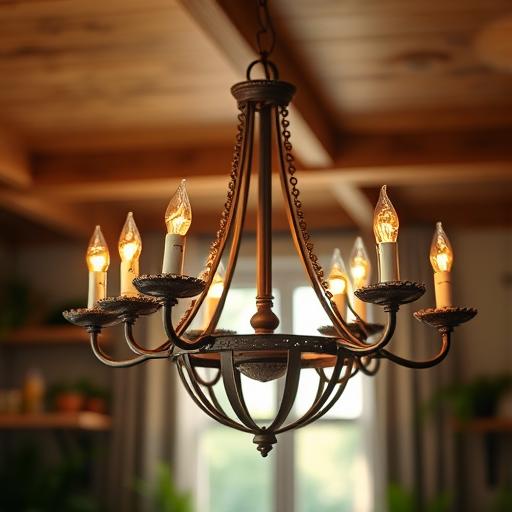
Sometimes, the simplest designs are the most enduring. The candle-style chandelier is a timeless classic that brings an element of romance and elegance to a rustic setting. These fixtures are designed to look like the candelabras of old, but with the safety and convenience of modern electricity. Their open, airy design prevents them from feeling too heavy, even in larger sizes, making them a great choice for dining rooms, bedrooms, or even a spa-like bathroom.
The beauty of a candle-style fixture is in its soft, warm glow. It creates an intimate and relaxing ambiance that is hard to replicate. You can find them in simple, forged-iron designs for a more primitive look or in more ornate, tiered versions for a touch of rustic grandeur. This style is a wonderful way to add a layer of gentle light that makes everyone feel instantly at ease and comfortable.
Mason Jar Magic: DIY Charm with a Polished Look
For a touch of whimsy and handcrafted charm, the mason jar chandelier is an absolute winner. This style captures the heart of DIY culture and upcycling, bringing a playful and personal feel to any space. While you can certainly make your own, many professionally crafted fixtures arrange multiple mason jars into a beautiful cluster or a neat line, suspended from a rustic wood or metal base. It’s a nod to canning season, country fairs, and simpler times.
This lighting style is a fantastic fit for kitchens, breakfast nooks, or covered patios. The clear glass allows for bright, unfiltered light, while the nostalgic shape of the jars adds instant character. It’s a conversation starter that feels both creative and unpretentious. A mason jar chandelier proves that beautiful design doesn’t have to be overly serious; it can be fun, familiar, and full of heart.
Choosing the Right Size and Placement for Maximum Impact
Selecting the perfect chandelier is only half the battle; knowing where and how to hang it is crucial for achieving that picture-perfect look. A common mistake is choosing a fixture that is too small for the room, making it feel lost and insignificant. A good rule of thumb for a room’s main chandelier is to add the room’s length and width in feet, and the result in inches is a good starting diameter for your fixture. For example, a 12×14 foot room would benefit from a chandelier that is about 26 inches in diameter.
Placement is just as important. When hanging a chandelier over a dining table, it should be about 30-36 inches above the tabletop to feel connected to the space without obstructing views. In an entryway or open room, the bottom of the fixture should be at least 7 feet from the floor. Taking a moment to consider scale and position ensures your beautiful new chandelier becomes a stunning focal point rather than an awkward afterthought.

Boost Your Curb Appeal: How Exterior Painters in Edmonton Increase Home Value
First Impressions Matter: The Power of a Fresh Coat of Paint
Think about the first thing anyone sees when they pull up to your home. It’s the exterior! A vibrant, clean, and freshly painted house instantly grabs attention for all the right reasons. This initial visual impact, often called curb appeal, sets the tone for the entire property. Professional exterior painters Edmonton specialists understand how to prepare and paint a home to make that first look a truly positive one, suggesting a well-cared-for property inside and out.
That positive feeling is powerful, especially for potential buyers. A home with a peeling, faded, or dated exterior can make people assume the inside is just as neglected. A beautiful paint job does the opposite; it builds excitement and confidence before they even step through the door. It’s an open invitation that says, “this home is loved and maintained.” What a great message to send!
More Than Just Looks: Protecting Your Investment
While a gorgeous new colour is a fantastic benefit, exterior paint serves a much more practical purpose: it’s your home’s first line of defence. Here in Edmonton, our homes face everything from blistering summer sun to heavy snow and ice. A quality paint job acts as a protective shield, sealing your home’s siding from moisture, UV rays, and pests that could cause serious damage over time.
When you hire a professional crew, they do more than just apply paint. During the preparation phase, they will inspect your home’s surfaces, identifying and addressing small problems like minor wood rot, cracks in caulking, or gaps. Fixing these little issues early prevents them from turning into costly, large-scale repairs down the road, saving you money and protecting the structural integrity of your house.
The ROI of Exterior Painting: A Smart Financial Move
Putting money into your home’s exterior is one of the smartest upgrades you can make, offering an excellent return on investment (ROI). Real estate experts consistently report that a fresh exterior paint job can increase a home’s perceived value substantially. Buyers are often willing to pay more for a home that is move-in ready and doesn’t come with an immediate “to-do” list of major projects.
Beyond just a higher selling price, a beautifully painted home often spends less time on the market. In a competitive real estate scene, a property that stands out with great curb appeal attracts more attention, more viewings, and quicker offers. This means you can sell your home faster and with fewer headaches, making it a very strategic update for any homeowner planning a sale.
Choosing the Right Colours to Maximize Appeal
Picking the perfect colour for your home’s exterior can feel like a big decision, because it is! The colours you choose have a major impact on its overall appeal. Generally, classic and widely-liked neutral shades like warm greys, beiges, and off-whites are a safe bet because they appeal to a wide audience. They create a clean, modern, and sophisticated look that lets the home’s architecture shine.
It’s also a good idea to consider the style of your neighbourhood and your home’s own unique features. A colour that looks amazing on a modern home might not suit a traditional craftsman-style house. Professional painters have a keen eye for colour and can provide expert consultations, helping you select a palette that complements your brick or stone accents, roof colour, and the general vibe of your street.
Why Hire a Professional vs. DIY?
Painting your own home might seem like a way to save a few dollars, but it’s a massive job that requires skill, proper tools, and a lot of time. The secret to a long-lasting paint job isn’t the painting itself—it’s the prep work. Professionals dedicate the majority of their time to properly cleaning, scraping, sanding, and priming every surface. This meticulous preparation is what ensures the final coat adheres properly and looks flawless for years.
Working on ladders and dealing with heights can also be risky without the right safety equipment and experience. A professional team is fully equipped and insured, taking the risk and physical labour off your shoulders. They can complete the job far more efficiently, giving you a stunning result in a fraction of the time it would take to do it yourself, without the mess or stress.
The Professional Painting Process Explained
When you bring in a reputable painting company, they follow a tried-and-true process to guarantee a quality finish. The project almost always begins with a thorough power wash to remove all the dirt, grime, and chalky residue from your home’s exterior. This creates a clean base for the new paint to stick to, which is absolutely critical for durability.
After cleaning, the detailed prep work starts. This involves scraping away any loose or peeling paint, sanding rough areas for a smooth finish, and caulking any cracks or gaps to create a weatherproof seal. A coat of high-quality primer is then applied to problem areas or the entire house to ensure the final colour looks even and vibrant. Only then is the final colour applied with precision, followed by a complete cleanup of the work area, leaving your property looking better than ever.
Finding the Best Exterior Painters in Edmonton
Ready to give your home the refresh it deserves? Finding the right team for the job is key. Start by looking for established local companies with a strong portfolio of past projects. Check online reviews and testimonials to see what previous clients have to say about their experience, punctuality, and the quality of their work. A good reputation is built on consistent, excellent service.
Don’t hesitate to ask for a detailed, written estimate from a few different companies. A professional quote will clearly outline the scope of work, the materials to be used, and the total cost. By choosing a licensed, insured, and well-regarded team, you can be confident that your home is in good hands and that your investment will pay off with a beautiful, long-lasting finish.

When Time Matters: Legal and Financial Considerations When You Need to Sell Your House Fast
When the clock is ticking and you find yourself thinking, ‘I need to sell my house fast,’ the pressure can be immense. Whether it’s due to a job relocation, financial hardship, or an inherited property, a speedy sale introduces a unique set of challenges. It’s not just about finding a buyer; it’s about making sure all the legal I’s are dotted and financial T’s are crossed to protect your interests.
This guide is designed to shed light on the critical legal and financial points you must consider. A hurried process doesn’t have to mean a risky one. With the right knowledge, you can move forward confidently, ensuring your fast sale is also a smart and secure transaction. Let’s get into what you need to know.
Understanding “As-Is” Sales and Disclosure Laws
Selling a home “as-is” is a common strategy for a quick sale. It signals to buyers that you won’t be making any repairs or offering credits for issues found during an inspection. This can save you a ton of time and upfront cash, which is a huge plus when you’re in a hurry.
But “as-is” doesn’t mean “buyer beware” in every state. Most jurisdictions still require you to disclose known material defects. Failing to mention a leaky roof or a cracked foundation could land you in legal hot water later. Be sure to check your state’s specific disclosure laws to stay on the right side of compliance. Honesty is truly the best policy here.
The Role of Title and Escrow in an Expedited Sale
Think of a title company as the neutral referee in your real estate transaction. They are responsible for ensuring the property’s title is clear of any claims or liens before it can be transferred to the new owner. A “cloudy” title can bring a fast sale to a screeching halt, so it’s vital to address any issues proactively.
The escrow process, managed by the title company or an escrow agent, holds all the funds and documents securely until every condition of the sale is met. For a quick closing, you’ll want to work with a company that is experienced and efficient. They will coordinate with you, the buyer, and any lenders to ensure all paperwork is completed accurately and on schedule.
Tax Implications: Capital Gains and Quick Sales
Selling a property often comes with a tax bill, specifically capital gains tax on the profit you make. The IRS does offer a generous exclusion if the home was your primary residence for at least two of the last five years. For 2023, individuals can exclude up to $250,000 of gain, and married couples can exclude up to $500,000.
If you haven’t lived in the home long enough to qualify for the full exclusion, you might be eligible for a partial one due to circumstances like a job change or health issues. It’s always a good idea to chat with a tax professional. They can help you understand your potential tax liability and plan accordingly, so there are no unpleasant surprises after closing.
Dealing with Liens and Judgments on the Property
A lien is a legal claim against your property for an unpaid debt. Common examples include unpaid property taxes, contractor liens (mechanic’s liens), or a judgment from a lawsuit. You cannot sell a house with a clear title until these liens are satisfied.
The first step is to order a title search to identify any and all liens attached to your property. Once you know what you’re dealing with, you can negotiate with the creditors. Often, the proceeds from the sale are used to pay off these debts directly at closing, clearing the way for the new owner.
Navigating Foreclosure or Probate Scenarios
Facing foreclosure adds a tremendous amount of pressure to sell quickly. Selling before the auction date allows you to pay off the mortgage, potentially salvage some of your equity, and protect your credit score from the major hit of a foreclosure. The key is to act fast and communicate with your lender and potential buyers.
Selling an inherited property through probate is another situation where time can be a factor. The probate court process has its own timeline and set of rules that must be followed. Working with an attorney who specializes in probate can help streamline the sale and ensure all legal requirements are met, distributing the proceeds to the heirs without unnecessary delays.
The Financial Bottom Line: Net Proceeds and Closing Costs
When you sell fast, it’s easy to focus only on the offer price. But what really matters is your net proceeds—the amount of cash you walk away with after all expenses are paid. These costs can include title insurance, escrow fees, transfer taxes, and any remaining mortgage balance.
Before accepting an offer, ask for a settlement statement or an estimated net sheet. This document breaks down all the credits and debits, giving you a clear picture of your final payout. Comparing net sheets from different offers is the best way to see which deal is truly the most financially beneficial for your situation.
Why a Cash Home Buyer Can Streamline the Process
One of the biggest delays in a traditional home sale is the buyer’s financing. The mortgage underwriting process can take weeks or even months and sometimes falls through at the last minute. Working with a cash home buyer eliminates this uncertainty entirely, as they have the funds ready to go.
Professional home buying companies are experts in fast, efficient transactions. They often buy properties “as-is,” handle all the paperwork, and can close in as little as a week or two. For homeowners who need speed and certainty, this route can be the perfect way to bypass the traditional market’s legal and financial hurdles.
